1. Define the premise in one sentence
Start with a sentence that sets the adult-fiction direction. It might name the setting, the mood, or the question at the center of the chapter. Keep it specific enough to guide the first scene and open enough to leave room for progression.
For example, focus on a fictional adult character arriving somewhere, meeting someone, or discovering a detail that changes the evening. The point is narrative direction, not excessive detail.
2. Set the adult cast and the mood
Confirm that every character is fictional and adult. Then decide what each person wants from the scene and what mood should carry through the visuals. A quiet slow-burn chapter will use different details from a playful or intense one.
Keep the cast small at first. Two well-defined fictional adults can create more clarity than a large group with no role in the plot.
3. Plan the scene sequence
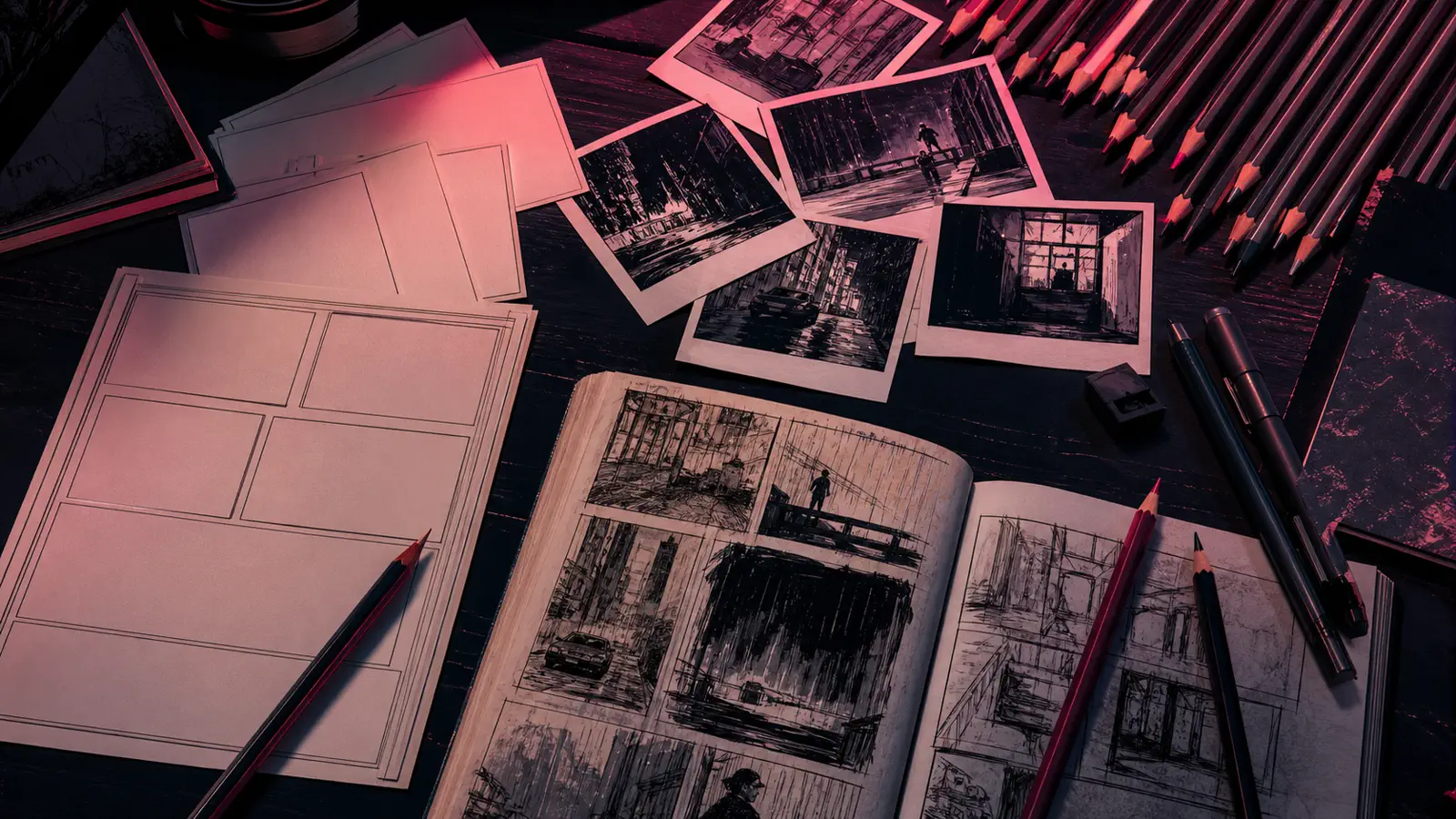
Think in panels: opening image, shift, response, and next question. Every panel does not need dialogue. A change in setting, expression, distance, or lighting can move the story forward.
If a scene does not reveal something or change the rhythm, leave it out. A short sequence with purpose is better than a long sequence without direction.
4. Refine without losing the premise
After the opening works, add details that reinforce the story. Return to the original sentence whenever the chapter starts to feel scattered. The best revision is usually the one that makes the mood clearer, not the one that adds the most elements.
Questions, answered
Keep the next panel clear.
What is the easiest way to start an AI porn comic?+
Begin with a one-sentence fictional adult premise, a small adult cast, and an opening panel.
Do I need to plan every panel before starting?+
No. Plan the opening, a turning point, and a next question. Refine the middle as the story takes shape.
Why should the cast stay small?+
A smaller adult-fiction cast makes motives and scene progression easier to understand.
What should I revise first?+
Clarify the mood, character dynamic, and the reason each scene follows the previous one.